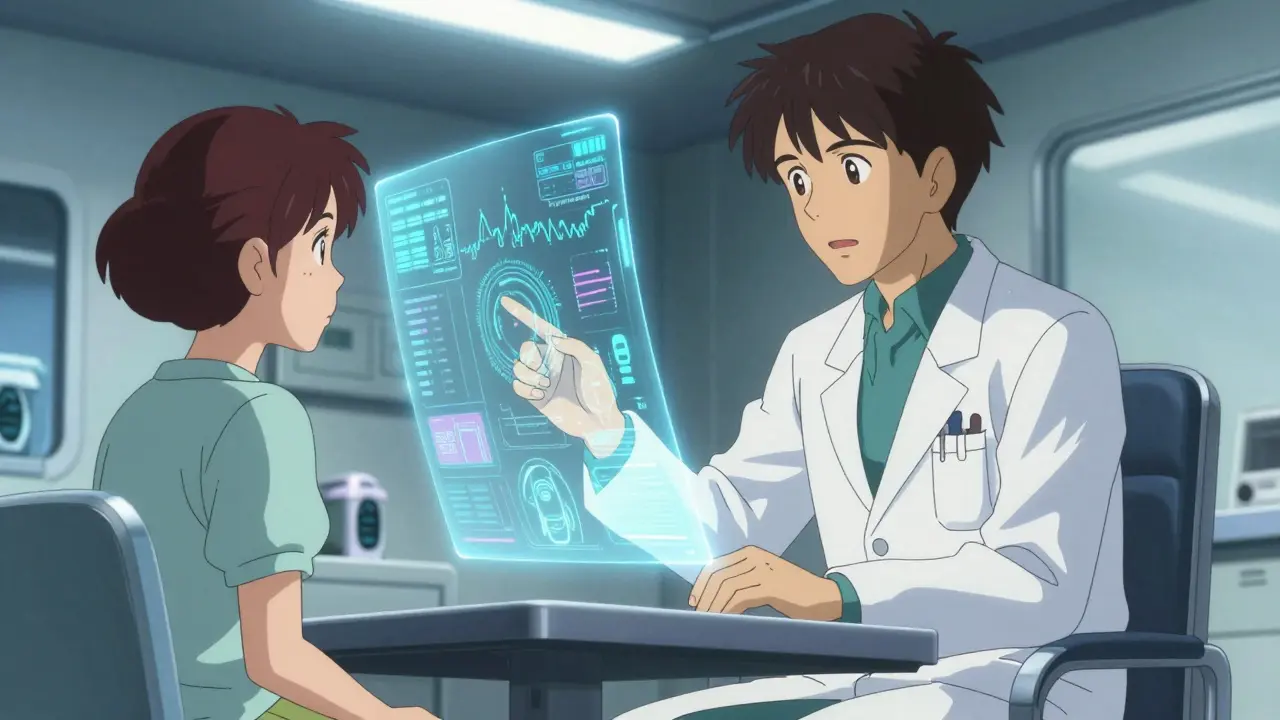
Walk into any hospital or clinic today, and you’ll notice something different. The doctor isn’t just checking a chart; they’re reviewing data from your smartwatch, discussing lifestyle metrics with you as a partner, and likely relying on an AI assistant to flag potential drug interactions before they even write the prescription. This isn’t science fiction-it’s the new normal for healthcare providers in 2026.
The way medical professionals think about their jobs is changing fast. It used to be that technology was a tool you learned once and forgot. Now, it’s the engine driving every decision. Providers are shifting from being gatekeepers of information to becoming interpreters of complex data streams. But this shift isn’t just about gadgets. It’s about a fundamental change in attitude toward patients, colleagues, and the very definition of what it means to practice medicine.
From Skepticism to Strategic Necessity: The AI Mindset Shift
A few years ago, many doctors viewed artificial intelligence with suspicion. They worried about algorithms replacing human judgment or compromising patient privacy. Today, that skepticism has largely evaporated, replaced by a sense of strategic urgency. According to recent analysis from Forrester, integrating AI is no longer optional for healthcare organizations. It’s a survival tactic.
Why the sudden change? Because the volume of data available is simply too much for humans to process alone. With over half of Americans now owning wearable devices that generate continuous biometric data, physicians are drowning in numbers. AI tools help filter this noise. Instead of manually scanning thousands of lab results, providers use these systems to identify anomalies instantly. This allows them to focus on what machines can’t do: empathy, complex reasoning, and building trust.
However, this shift comes with a new responsibility. Providers must now understand enough about algorithmic bias and data security to govern these tools effectively. The mindset has moved from “Will this work?” to “How do we ensure this works fairly and safely?” Organizations are training staff not to penalize errors made while learning to use these systems, but to foster a culture of responsible innovation. This requires a delicate balance-embracing efficiency without losing the human touch that defines good care.
Redefining the Doctor-Patient Relationship
Gone are the days when patients arrived at appointments with nothing but a vague description of symptoms. Today’s consumers are informed, equipped with personal health records, and often more knowledgeable about their conditions than they were in the past. This changes everything.
Patient engagement is no longer a transactional event; it’s a holistic partnership. Research from the National Institutes of Health (NIH) highlights that physicians in 2025 and beyond are interacting with consumers who bring comprehensive health histories rather than simple discussion points. This forces providers to adapt their communication styles. You can’t lecture someone who already knows their blood pressure trends better than you do.
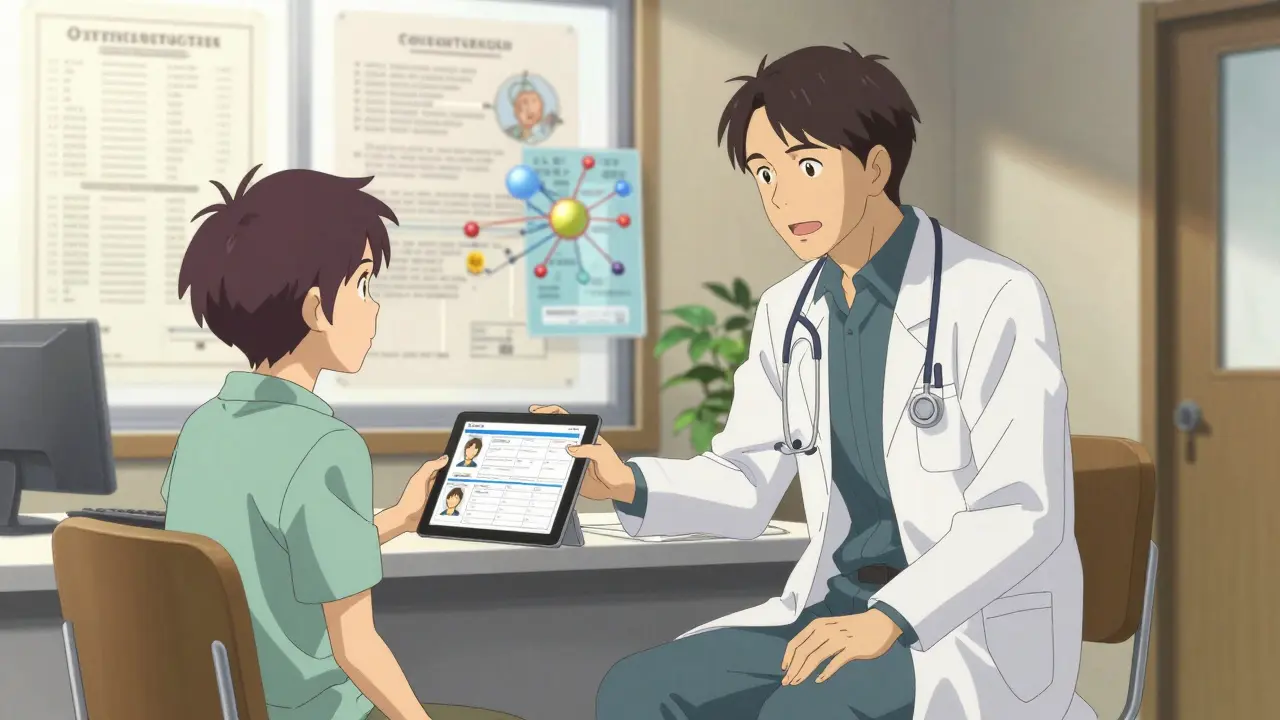
This evolution creates a unique challenge: how to maintain authority while empowering the patient. Successful providers are those who act as coaches rather than commanders. They use advanced analytics to anticipate needs before the patient even voices them. For example, if a patient’s wearable detects irregular sleep patterns, the provider might proactively reach out with resources on stress management. This proactive approach builds loyalty and improves outcomes, turning the clinical relationship into a collaborative journey toward wellness.
The Workforce Revolution: Retention, Certification, and Flexibility
Behind every successful patient interaction is a team. And right now, that team is under immense pressure. The healthcare workforce is facing a perfect storm of shortages, burnout, and changing expectations. Employee retention has become the number one challenge for 53% of healthcare employers, according to industry reports.
To combat this, provider attitudes toward staffing are shifting dramatically. There’s a growing recognition that formal qualifications matter more than ever. Data from the National Healthcareer Association (NHA) shows that 70% of employers now require certifications for roles like Medical Assistants and Pharmacy Technicians. Why? Because certified staff deliver higher quality care, which directly impacts patient safety and satisfaction.
But certification alone isn’t enough. Providers are also rethinking work structures. The idea that a physician must be physically present in a specific office all day is fading. Virtual care solutions and multidisciplinary teams allow for “anywhere, anytime” models of care. This flexibility doesn’t just help with recruitment; it reduces burnout by giving clinicians more control over their schedules. When providers feel supported and valued, they stay longer-and that stability benefits everyone.
Building Ecosystems, Not Just Clinics
Perhaps the most profound shift in provider attitude is the move away from siloed practices toward integrated health ecosystems. Traditional healthcare focused on treating illness within four walls. Modern providers are thinking bigger. They’re building networks that address social, medical, and behavioral needs simultaneously.
Consider the concept of the “digital front door.” Instead of forcing patients to navigate separate portals for billing, scheduling, and records, providers are centralizing these services. This simplification reduces administrative friction, allowing staff to focus on care rather than paperwork. At the same time, partnerships with technology hyperscalers and value-chain solution providers are expanding the scope of what clinics can offer.
This ecosystem approach requires providers to be comfortable with collaboration outside traditional boundaries. A cardiologist might now regularly consult with a nutritionist via a shared digital platform, or a primary care provider might coordinate with mental health specialists through integrated apps. These connections break down barriers between specialties, creating a seamless experience for the patient. It’s a mindset shift from “my patient” to “our community’s health.”
| Aspect | Traditional Mindset (Pre-2024) | Evolving Mindset (2026+) |
|---|---|---|
| Technology Role | Supportive tool, optional adoption | Strategic necessity, core to workflow |
| Patient Interaction | Provider-led, informational | Collaborative, data-driven partnership |
| Workforce Focus | Hire for basic skills, train later | Certification required, invest in retention |
| Care Delivery | In-person, episodic visits | Hybrid virtual/physical, continuous monitoring |
| Organizational Structure | Siloed departments | Integrated health ecosystems |

Navigating the Challenges Ahead
None of this happens overnight. The transition to these new attitudes faces significant hurdles. One major issue is cultural resistance. Even when leadership embraces change, frontline staff may feel overwhelmed or disconnected. As analysts note, culture initiatives often fail because they don’t translate into daily operations. Leaders must model the behaviors they want to see, reinforcing purpose through consistent actions rather than just memos.
Another challenge is transparency. While AI offers efficiency, patients still crave authenticity. If every interaction feels automated, trust erodes. Providers must find ways to blend technological precision with genuine human connection. This means using AI to handle routine tasks so that face-to-face time can be dedicated to meaningful conversations.
Finally, there’s the financial aspect. Investing in digital infrastructure and workforce development costs money. However, the cost of inaction is higher. Burnout leads to turnover, which disrupts care and increases recruitment expenses. By prioritizing certification and flexible work environments, providers create a sustainable model that attracts top talent and keeps them engaged.
What This Means for You
If you’re a healthcare professional, the message is clear: adapt or risk falling behind. Embrace lifelong learning, especially in digital literacy and data interpretation. Seek out certifications that validate your expertise and open doors to advancement. Most importantly, view your role as evolving-from a sole practitioner to a node in a larger, smarter network.
For patients, this evolution brings hope. Better access, more personalized care, and partners who truly listen. The future of healthcare isn’t cold and robotic; it’s human-centric, powered by technology that serves us, not the other way around.
How is AI changing the daily life of a healthcare provider?
AI is automating administrative tasks like scheduling and documentation, freeing up time for patient care. It also assists in diagnostics by analyzing large datasets from wearables and electronic health records, helping providers spot issues earlier and make more informed decisions.
Why are certifications becoming more important for allied health professionals?
Certifications signal a commitment to quality and safety. With 70% of employers requiring them, certified staff are seen as more reliable and skilled. This helps address workforce shortages by ensuring that those hired meet high standards, leading to better patient outcomes and higher job satisfaction.
What does "patient-centered care" look like in 2026?
It involves treating patients as active partners. Providers use data from patient-generated sources (like apps) to tailor treatments. Communication is two-way, focusing on education and empowerment rather than just instruction. Care is delivered flexibly, often combining virtual and in-person visits based on patient preference.
Are healthcare providers losing their human touch due to technology?
Not necessarily. When implemented correctly, technology removes mundane tasks, allowing providers to spend more quality time with patients. The key is balancing efficiency with empathy. Providers are being trained to use tech as a bridge to deeper human connections, not a replacement for them.
How can healthcare organizations improve employee retention?
By offering competitive compensation tied to certifications, providing flexible work schedules through virtual care options, and fostering a supportive culture. Investing in professional development and reducing administrative burdens also significantly boosts morale and keeps staff engaged long-term.