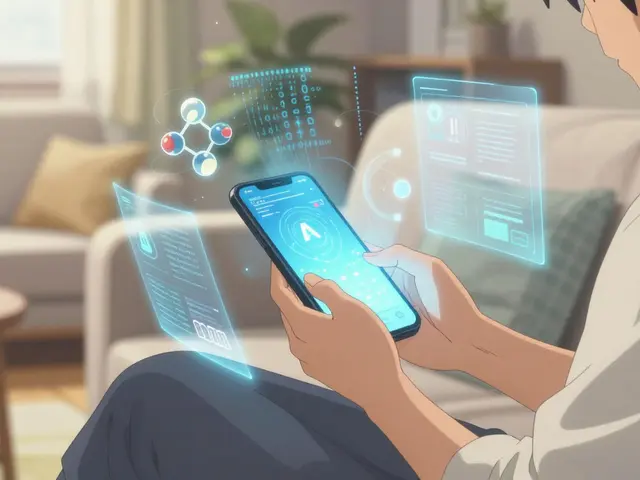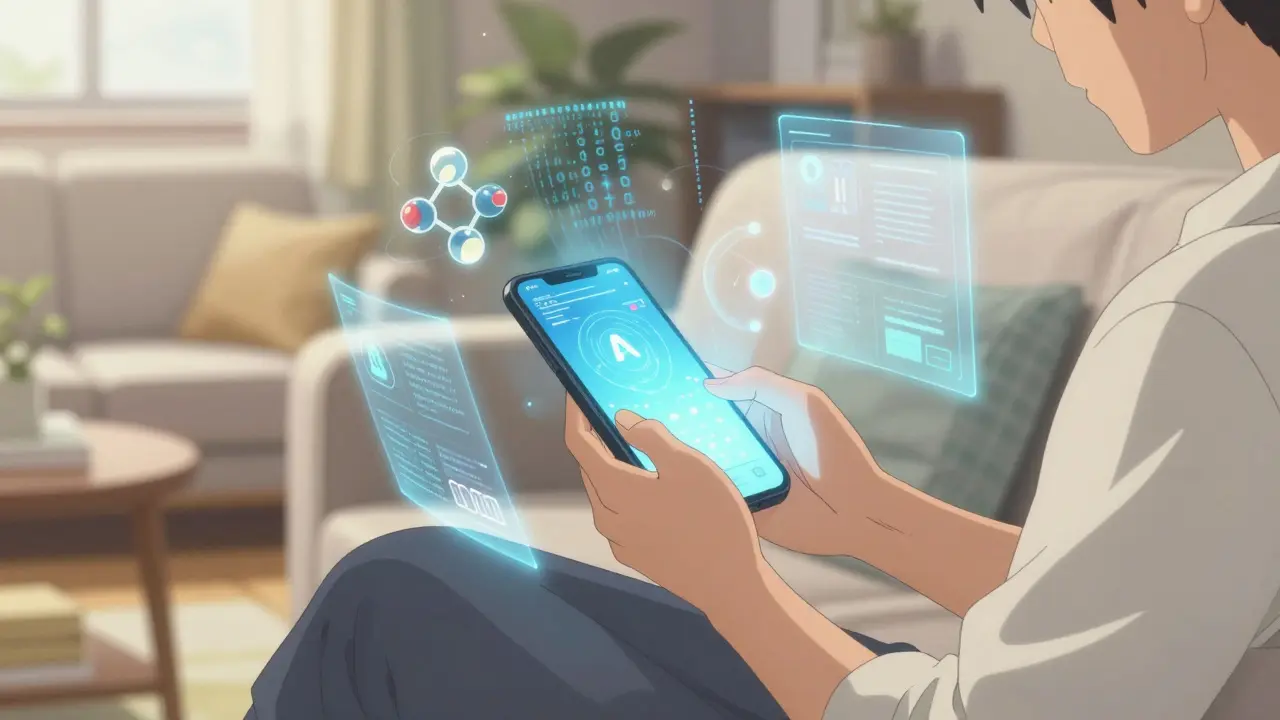
Imagine needing your blood pressure medication refilled on a Tuesday morning. In the past, this meant waiting in line at a local pharmacy, dealing with insurance hiccups, or driving across town just to pick up a bottle. Today, that entire process happens while you sit on your couch. Your phone app connects directly to a fulfillment center, artificial intelligence checks for interactions, and a courier drops off your generic medication by dinner time. This isn't science fiction; it is the reality of digital pharmacy, which is the integration of advanced technologies like AI, blockchain, and automation into pharmaceutical services to optimize drug delivery.
The shift toward digital solutions for generic drugs is accelerating faster than most people realize. With generic medications making up roughly 90% of all prescriptions filled in the United States, optimizing their delivery has become a massive industry focus. The digital pharmacy market is projected to hit $35.33 billion by 2026. But what does this mean for you as a patient? It means lower costs, faster access, and smarter health management. However, it also brings new challenges regarding privacy, regulation, and the human touch in healthcare.
Why Generic Medications Are the Backbone of Digital Delivery
To understand where digital pharmacy is going, we first need to look at why generic drugs are the primary driver. Generics are bioequivalent to brand-name drugs but cost significantly less. Because they are high-volume and standardized, they are perfect candidates for automation and algorithmic management.
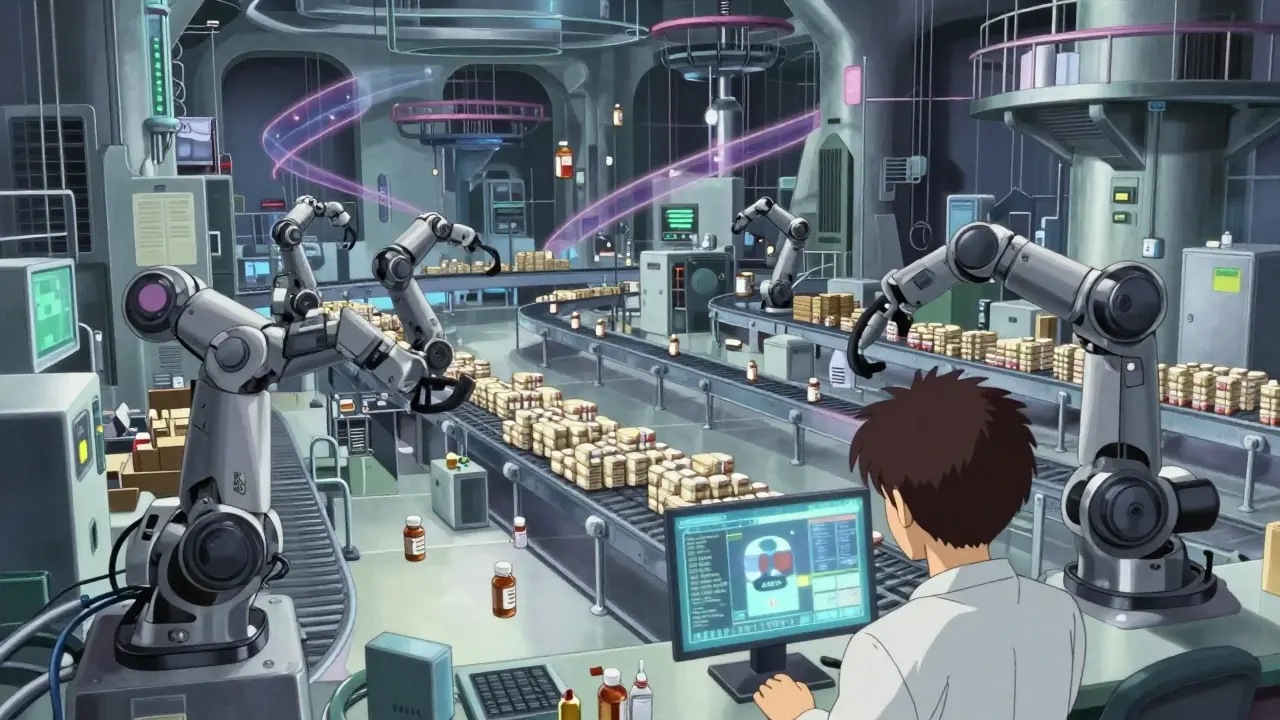
In traditional brick-and-mortar settings, pharmacists spend valuable time manually verifying each script. Digital platforms use API-integrated systems to connect telehealth consultations directly to fulfillment centers. For example, companies like Truepill process over 10,000 prescriptions daily through these interconnected networks. By automating the routine aspects of generic dispensing, pharmacies can reduce prescription processing times by 40%. This efficiency allows pharmacists to focus more on complex cases rather than simple refills.
The economic impact is substantial. According to GoodRx's 2024 Price Transparency Report, digital generic delivery systems provide average savings of 22.7% on generic medications compared to retail prices. When you add in the reduced transportation costs-estimated at $17.30 per prescription for rural patients-the value proposition becomes clear. You aren't just saving money on the drug; you're saving on the hassle of getting it.
AI and Automation: Smarter Inventory, Faster Delivery
Artificial intelligence is no longer just a buzzword in healthcare; it is the engine powering modern pharmacy logistics. Next-generation delivery systems use AI algorithms to predict medication demand with nearly 90% accuracy. These systems analyze historical data, seasonal health trends, and even local weather patterns to stock warehouses before shortages occur.
This predictive capability changes how inventory is managed. Instead of a local pharmacy running out of a common antibiotic during flu season, a distributed network of fulfillment centers ensures availability. The result is a dramatic reduction in fulfillment time. While traditional pharmacies might take an average of 48 hours to process and prepare orders, same-day digital delivery services cut this down to just 5.2 hours.
Accuracy is another major benefit. Digital platforms boast order accuracy rates of over 92%, compared to roughly 87% in conventional settings. This is largely due to automated scanning and verification processes that eliminate human error in labeling and packaging. For patients taking multiple generics, this precision can be life-saving.
| Feature | Traditional Pharmacy | Digital Pharmacy Platform |
|---|---|---|
| Average Fulfillment Time | 48 hours | 5.2 hours (same-day) |
| Order Accuracy Rate | 87.6% | 92.3% |
| Patient Satisfaction | 72.1% | 85.4% |
| Cost Savings on Generics | Baseline | 22.7% lower |
| Complex Regimen Support | High (89%) | Moderate (43%) |
The Telehealth Connection: From Consultation to Doorstep
One of the most significant shifts in 2026 is the seamless integration between telehealth and pharmacy services. In the past, seeing a doctor online and getting your meds were two separate processes. Now, they are one continuous workflow. Platforms like Ro and Honeybee Health allow users to complete a virtual consultation, receive a prescription, and have the medication shipped-all within a single app interface.
This integration is particularly powerful for chronic conditions. Dr. Joseph Kvedar from Harvard Medical School notes that checking in on medication efficacy without requiring an office visit leads to faster adjustments when treatments aren't working. For patients managing diabetes or hypertension, this means more frequent touchpoints with care teams and better long-term outcomes. A case study from CVS Health showed a diabetic patient reducing A1C levels by 1.8 points through an integrated digital monitoring program.
However, this convenience comes with regulatory hurdles. Currently, 28 states require pharmacist licensure in the patient's state of residence for telepharmacy services. This creates a patchwork of rules that can complicate cross-state deliveries. As legislation evolves, expect to see more standardization, but for now, location still matters in the digital world.
Challenges: Trust, Technology, and the Human Touch
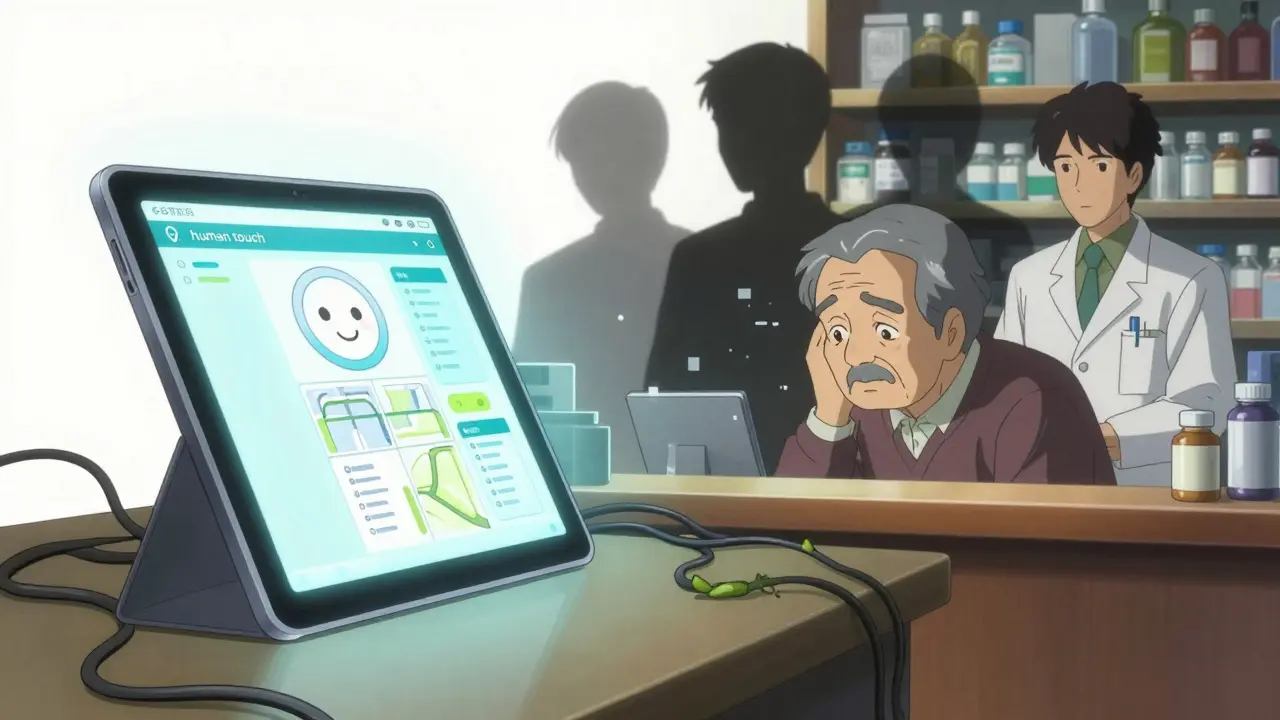
Despite the benefits, digital pharmacy is not without its flaws. One of the biggest concerns is the lack of personalized counseling. In a physical pharmacy, you can walk up to the counter and ask questions about side effects or interactions. Online, this interaction is often limited to chatbots or delayed email responses. A 2024 survey found that 62.1% of digital pharmacy users wanted more pharmacist interaction during the ordering process.
There are also technical barriers. About 24% of seniors aged 65 and older report difficulties using digital pharmacy platforms. For this demographic, the learning curve can be steep, requiring multiple support interactions to become proficient. Additionally, insurance coordination remains a pain point. Nearly 40% of negative reviews for digital pharmacies cite issues with insurance verification or unexpected auto-substitutions that aren't covered by plans.
Safety is another critical issue. While overall accuracy is high, errors do happen. An FDA safety communication in 2023 highlighted incorrect dosing of levothyroxine generics due to auto-substitution errors in one digital platform, affecting hundreds of patients. Experts warn that automation without proper human oversight can increase the risk of therapeutic substitution errors. The key is finding the right balance between AI efficiency and professional judgment.
What to Expect in the Next Few Years
Looking ahead, the trend is toward greater personalization and deeper integration. By 2026, it is predicted that 74% of digital generic delivery platforms will incorporate pharmacogenomic data. This means your genetic profile could influence which generic version of a drug is selected for you, ensuring better efficacy and fewer side effects.
AI will also handle a larger share of administrative tasks. Prior authorization reviews, which currently take days, are expected to drop to under four hours as AI takes over more than 50% of these reviews. This will speed up access to necessary medications and reduce frustration for both patients and providers.
Market consolidation is likely too. Large players like CVS Health and Amazon Pharmacy are expanding their digital footprints, capturing significant market share. Smaller independent platforms may struggle to compete on price and logistics, leading to a more centralized ecosystem. However, niche players focusing on specific conditions or underserved communities may find sustainable models.
How to Choose the Right Digital Pharmacy Service
With so many options available, how do you decide which service is right for you? Here are some practical tips:
- Check Insurance Compatibility: Before signing up, verify that the platform works seamlessly with your insurance provider to avoid surprise bills.
- Look for Pharmacist Access: Choose services that offer direct chat or video calls with licensed pharmacists, not just automated support.
- Review Delivery Speeds: If you live in a rural area, check estimated delivery times. Urban areas often get same-day service, while rural locations may face delays.
- Read Recent Reviews: Focus on recent feedback regarding insurance coordination and customer service responsiveness.
- Consider Your Tech Comfort Level: If you are not tech-savvy, look for platforms with robust phone support or user-friendly interfaces designed for seniors.
The future of digital pharmacy is bright, but it requires active participation from patients. By understanding the technology behind generic delivery and knowing your rights, you can leverage these tools to improve your health and save money.
Is digital pharmacy safe for generic medications?
Yes, digital pharmacies are generally safe and often more accurate than traditional ones, with order accuracy rates exceeding 92%. However, always ensure the platform is verified by the National Association of Boards of Pharmacy (NABP) and consult with a pharmacist if you have complex medical needs.
Do digital pharmacies accept all insurance plans?
Most major digital pharmacies accept major insurance plans, but coverage can vary. Some platforms specialize in cash-pay models to offer lower prices regardless of insurance. Always check compatibility with your specific plan before ordering to avoid unexpected costs.
How fast is generic medication delivery via digital platforms?
Delivery speeds vary by location. In urban areas, same-day or next-day delivery is common, with fulfillment times as low as 5.2 hours. Rural areas may experience longer wait times, averaging 38 hours, due to logistical challenges.
Can I talk to a pharmacist on a digital pharmacy app?
Many reputable digital pharmacies offer chat or video consultations with licensed pharmacists. However, the level of interaction varies by provider. Look for services that prioritize human oversight, especially if you are managing multiple medications or have specific health concerns.
Are generic drugs from digital pharmacies the same as brand names?
Yes, generic drugs must meet strict FDA standards for bioequivalence, meaning they work the same way in the body as brand-name drugs. Digital pharmacies source these generics from approved manufacturers, ensuring quality and safety comparable to traditional pharmacies.