MAOI and Stimulant Interaction Checker
Select the medications you are currently taking to assess potential hypertensive crisis risks.
You might be taking a Monoamine Oxidase Inhibitor (MAOI) for treatment-resistant depression and have been prescribed an ADHD stimulant for focus. It sounds like a straightforward plan to tackle two major health challenges at once. But mixing these specific medications is one of the most dangerous combinations in modern psychiatry. The result isn't just a mild side effect; it can trigger a hypertensive crisis, a life-threatening spike in blood pressure that requires immediate emergency care.
This isn't theoretical fear-mongering. It is a documented physiological reality that has kept clinicians cautious since the 1960s. While newer research suggests there might be narrow windows for safe use under extreme supervision, the standard medical advice remains absolute: do not mix them without explicit, highly monitored professional guidance. Understanding why this happens-and what alternatives exist-is crucial for your safety.
Why This Combination Is Dangerous
To understand the risk, you need to look at how these drugs work inside your body. MAOIs, such as phenelzine (Nardil) and tranylcypromine (Parnate), work by blocking an enzyme called monoamine oxidase. This enzyme normally breaks down neurotransmitters like norepinephrine, serotonin, and dopamine. By inhibiting it, MAOIs increase the levels of these chemicals in your brain, which helps alleviate severe depression.
ADHD stimulants, including methylphenidate (Ritalin, Concerta) and amphetamine-based drugs like Adderall or Vyvanse, work differently but with a similar end goal regarding neurotransmitters. They force the release of more dopamine and norepinephrine into the synaptic space and block their reuptake.
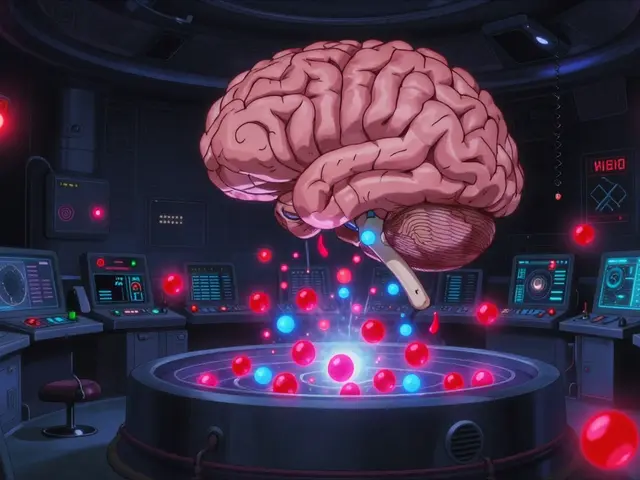
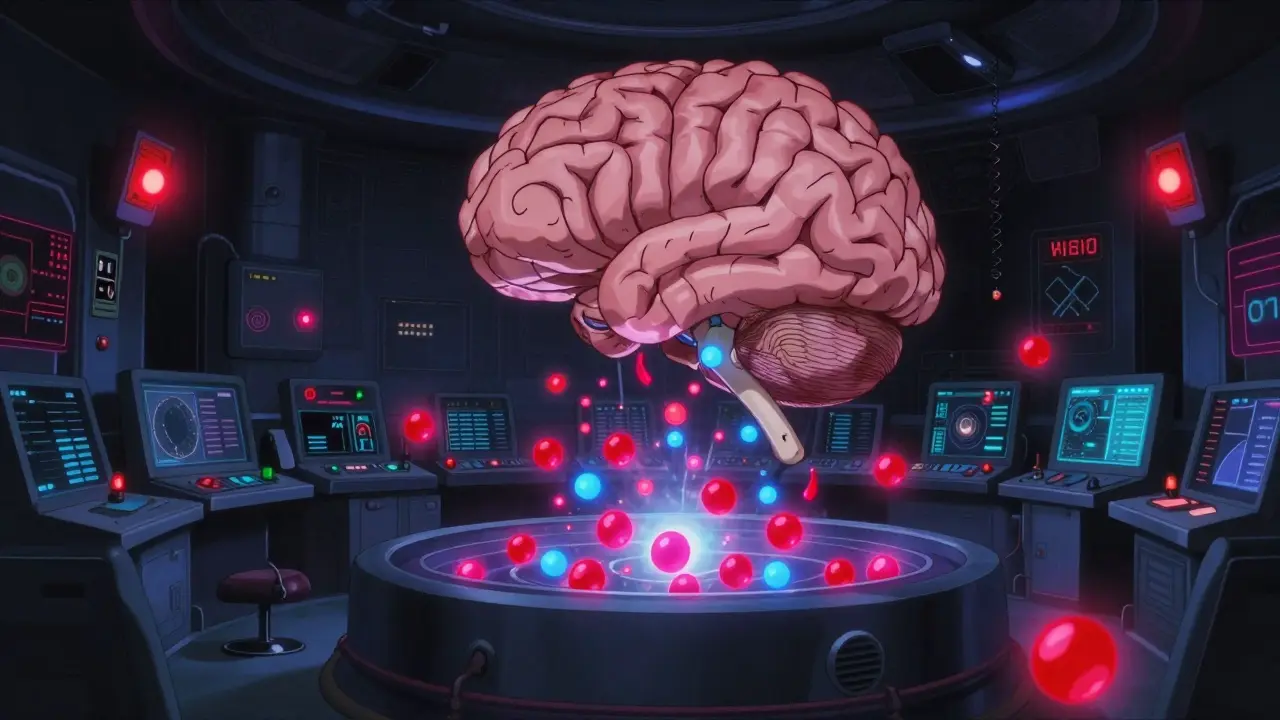
When you combine these two mechanisms, you create a perfect storm. The MAOI prevents the breakdown of norepinephrine, while the stimulant floods the system with even more of it. Norepinephrine is a potent vasoconstrictor-it tightens your blood vessels. When levels skyrocket because they are being produced rapidly and cannot be broken down, your blood pressure can spike dangerously high. This leads to a hypertensive crisis, where systolic pressure can exceed 180 mmHg and diastolic pressure goes above 110 mmHg. At these levels, you risk stroke, heart attack, aortic dissection, or brain bleeding.
The Role of Tyramine and Dietary Restrictions
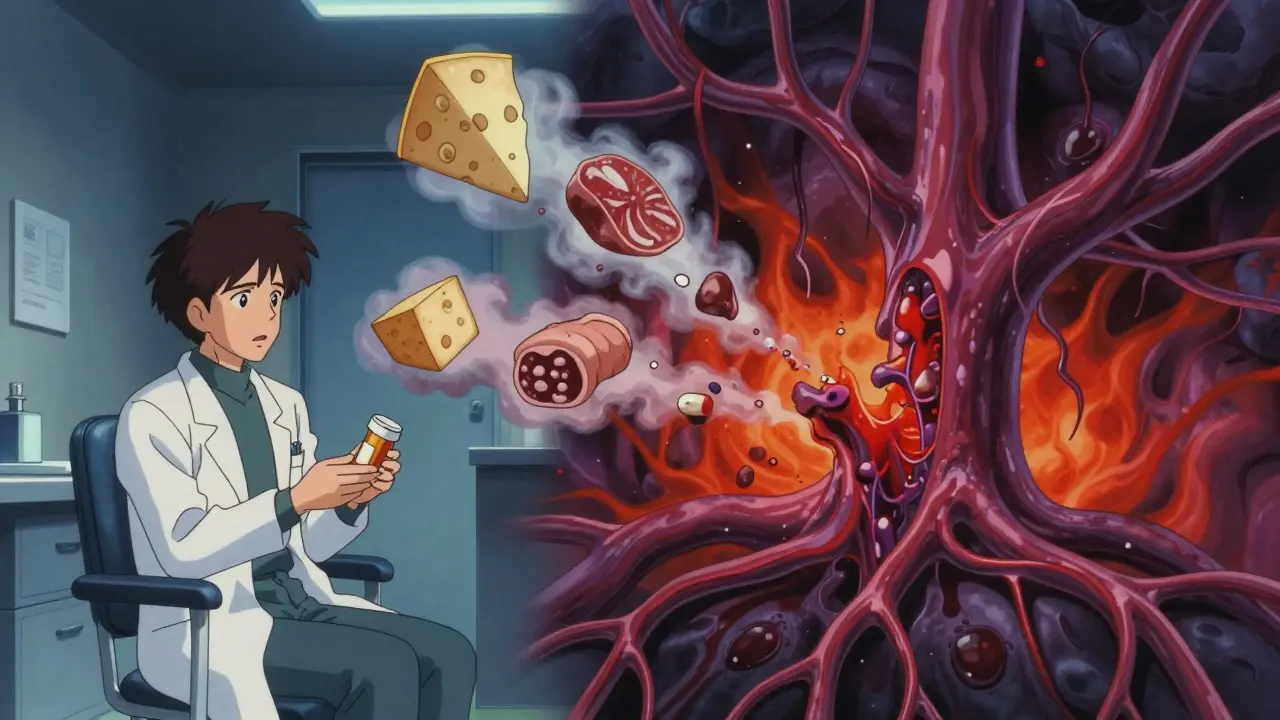
The danger isn't limited to just the medications themselves. MAOIs also inhibit the breakdown of tyramine, a substance found in many common foods. Normally, enzymes in your gut break down tyramine before it enters your bloodstream. With an MAOI on board, that protection is gone. If you eat aged cheeses, cured meats, tap beer, or fermented soy products while on an MAOI, the tyramine enters your circulation and triggers a massive release of stored norepinephrine.
If you add an ADHD stimulant to this mix, the additional surge of norepinephrine from the drug compounds the dietary reaction. Even small amounts of tyramine-rich food can become lethal when combined with stimulants and MAOIs. Older, non-selective MAOIs like phenelzine require strict dietary limits, usually keeping tyramine intake under 50 mg per day. Newer options like transdermal selegiline (Emsam) patches offer some relief from dietary restrictions at lower doses (≤6 mg/24 hours) because they selectively inhibit MAO-B in the brain rather than MAO-A in the gut, but the risk with stimulants remains significant enough to warrant extreme caution.
Differences in Risk Among Medications
Not all MAOIs and stimulants carry the exact same level of risk, though all are considered high-risk combinations. Understanding these nuances can help you discuss safer alternatives with your doctor.
| Medication Class | Specific Examples | Risk Level with Stimulants | Key Mechanism |
|---|---|---|---|
| Non-Selective MAOIs | Phenelzine, Tranylcypromine, Isocarboxazid | Very High | Ireversibly blocks both MAO-A and MAO-B; strict diet required |
| Selective MAO-B (Low Dose) | Transdermal Selegiline (≤6mg/day) | Moderate to Low | Mostly affects brain MAO-B; fewer dietary restrictions, but still risky with stimulants |
| Reversible MAOIs (RIMAs) | Moclobemide (not FDA approved in US) | Lower | Temporarily binds to enzyme; allows displacement by high neurotransmitter levels |
| Amphetamine Stimulants | Adderall, Vyvanse, Dexedrine | High Noradrenergic Impact | Strongly releases norepinephrine; higher BP spike risk |
| Methylphenidate Stimulants | Ritalin, Concerta, Focalin | Moderate Noradrenergic Impact | Primarily blocks reuptake; slightly less noradrenergic surge than amphetamines |
For instance, amphetamines generally pose a greater cardiovascular risk than methylphenidate because they cause a more robust release of norepinephrine. Similarly, tranylcypromine has been linked to more severe hypertensive events in case reports compared to phenelzine when mixed with other agents. However, "lower risk" does not mean "safe." The FDA maintains black box warnings against combining any CNS stimulant with any MAOI.
The 14-Day Washout Rule
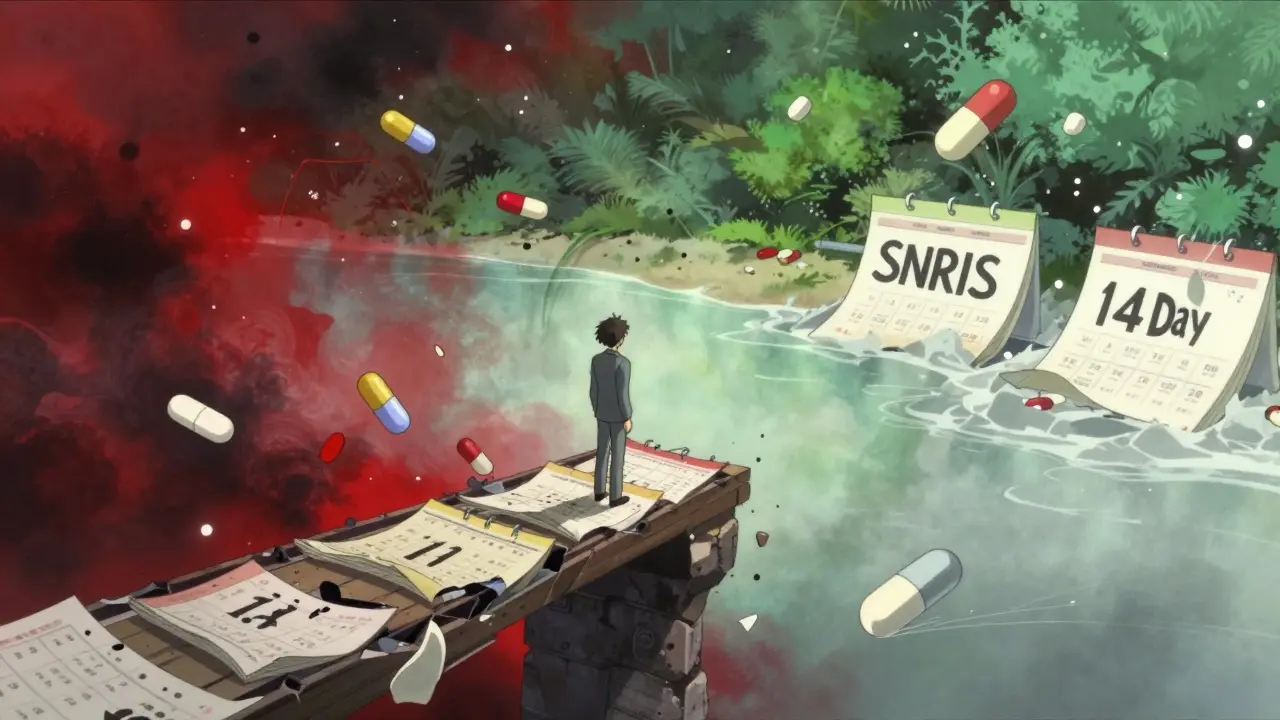
If you are switching between these medications, timing is everything. You cannot simply stop one and start the other the next day. Because older MAOIs bind irreversibly to the enzyme, your body needs time to manufacture new monoamine oxidase enzymes to return to normal function. This process takes approximately two weeks.
Clinical guidelines mandate a 14-day washout period after stopping an MAOI before starting a stimulant. Conversely, if you are stopping a stimulant to start an MAOI, a shorter washout may sometimes be sufficient, but the transition from MAOI to stimulant always requires the full 14 days. During this window, your doctors will likely monitor your blood pressure closely. Ignoring this timeline is one of the most common causes of accidental hypertensive crises in outpatient settings.
Are There Exceptions? The Nuanced View
While the general rule is "do not mix," specialized psychiatric clinics occasionally combine these drugs for patients with treatment-resistant depression who also have comorbid ADHD. This is done only in rare, complex cases where no other option works. Experts like Dr. Richard Friedman at Weill Cornell Medicine have noted that with extreme caution, the actual incidence of crisis might be lower than historical data suggests.
However, this approach involves strict protocols: starting stimulants at 10-25% of the standard dose (e.g., 2.5 mg of dextroamphetamine), monitoring blood pressure every 15-30 minutes during initiation, and using home monitors daily. A 2017 case series from Massachusetts General Hospital reported success in 12 patients using lisdexamfetamine with weekly monitoring, but this was in a controlled academic setting. For the vast majority of patients, the risk-benefit ratio heavily favors avoiding the combination entirely. The American Psychiatric Association’s 2022 guidelines explicitly recommend against concurrent use due to high-quality evidence of harm.
Safer Alternatives to Consider
If you struggle with both depression and ADHD, there are safer medication classes that do not carry the same hypertensive risks. Discussing these with your provider can open up viable paths forward:
- SNRIs (Serotonin-Norepinephrine Reuptake Inhibitors): Drugs like venlafaxine or duloxetine can help with both mood and focus, though they don't treat ADHD as directly as stimulants.
- Bupropion: An atypical antidepressant that affects dopamine and norepinephrine. It is often used off-label for ADHD and does not interact dangerously with MAOIs (though caution is still advised).
- Atomoxetine (Strattera): A non-stimulant ADHD medication that works on norepinephrine reuptake. While it still affects blood pressure, it lacks the rapid, intense surge associated with amphetamines.
- Guanfacine or Clonidine: Alpha-2 agonists that can help with ADHD symptoms and actually lower blood pressure, potentially offering a protective buffer, though they are not first-line treatments for severe ADHD.
What To Do If You Suspect an Interaction
If you are currently taking an MAOI and have recently started a stimulant-or vice versa-watch for warning signs of a hypertensive crisis. These include severe headache, stiff neck, nausea, vomiting, blurred vision, chest pain, and palpitations. If you experience these symptoms, seek emergency medical attention immediately. Do not wait to see if it passes. Tell the ER staff exactly which medications you are taking, including dosages and when you last took them. Prompt treatment with fast-acting antihypertensives can prevent permanent damage or death.