MAOI Medication Safety Checker
Disclaimer: This tool is for educational purposes only. Always consult a licensed healthcare provider or pharmacist before starting or stopping medication.
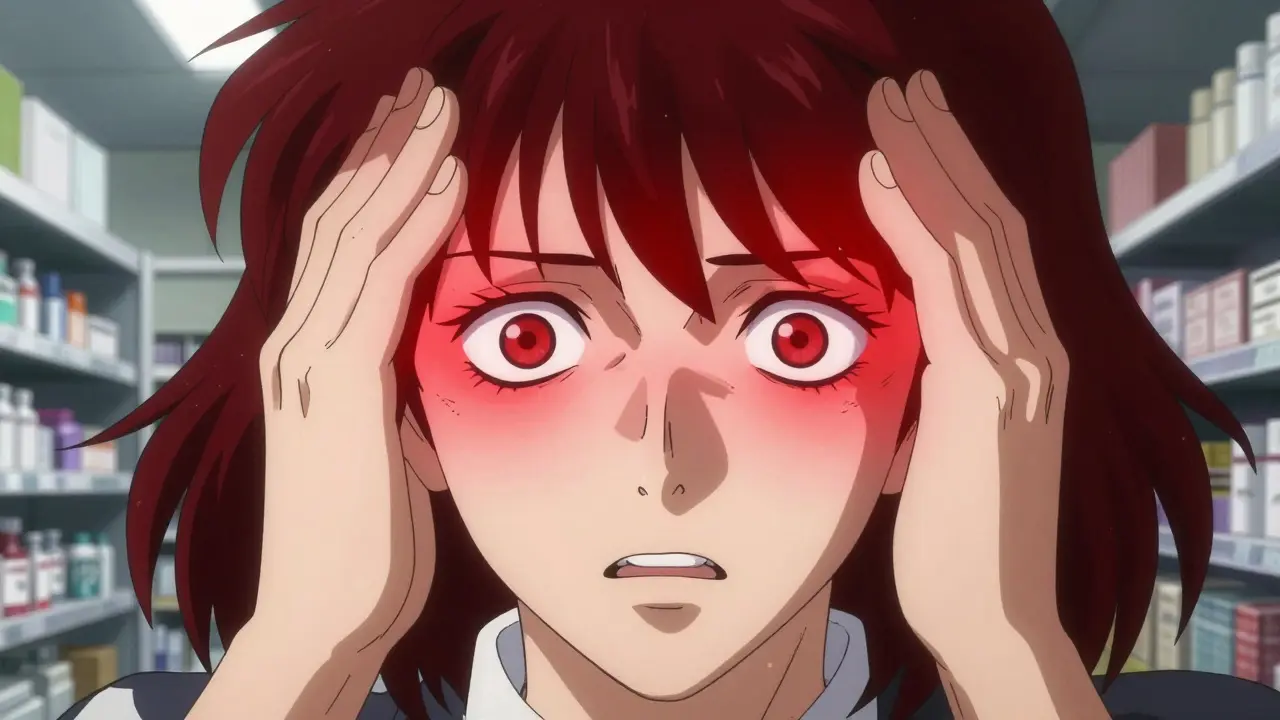
Imagine taking a standard over-the-counter cold pill and, within minutes, feeling like your head is about to explode. Your heart races, your vision goes white, and your blood pressure spikes to levels that can cause a stroke or a brain bleed. This isn't a rare medical mystery; it's a well-documented, potentially fatal interaction between ephedrine is a sympathomimetic amine used as a decongestant and bronchodilator and MAO Inhibitors (MAOIs). For anyone taking these antidepressants, a simple trip to the pharmacy for a sinus remedy can turn into a medical emergency.
The Biological Collision: How it Happens
To understand why this combination is so dangerous, we have to look at how your body handles norepinephrine-the chemical responsible for your "fight or flight" response. Normally, an enzyme called monoamine oxidase acts like a cleanup crew, breaking down excess norepinephrine, serotonin, and dopamine. MAO Inhibitors, by definition, put that cleanup crew on strike. They block the enzyme, allowing these chemicals to build up in your system.
Then comes the ephedrine. Ephedrine is a sympathomimetic agent, meaning it mimics the sympathetic nervous system. It doesn't just add more norepinephrine to the mix; it actively forces your neurons to dump their stored reserves into the synaptic cleft and blocks them from being reabsorbed. When you combine a drug that prevents breakdown (MAOIs) with one that floods the system (ephedrine), you get a massive, synergistic surge of catecholamines. Your blood vessels constrict violently, and your heart pumps at an unsustainable rate, often pushing systolic blood pressure above 200 mmHg in a matter of minutes.
Spotting a Hypertensive Crisis
A hypertensive crisis isn't just "high blood pressure." It is an acute event that can be categorized into two types: urgency and emergency. An urgency is when your blood pressure is dangerously high (usually systolic >180 mmHg) but hasn't yet caused permanent damage. An emergency is when that pressure starts shredding your internal organs or causing a brain bleed.
If you or someone you know is experiencing this interaction, look for these red flags:
- An "explosive" headache, typically starting at the back of the head (occipital) and moving forward.
- Severe neck stiffness and nausea or vomiting.
- Palpitations and chest pain.
- Dilated pupils and a sensitivity to light (photophobia).
- Profuse sweating (diaphoresis).
In extreme cases, like a 1965 report by Dr. M.S. Hirsch, a single dose of ephedrine while on an MAOI led to a subarachnoid hemorrhage-a rupture of an artery in the brain-resulting in immediate loss of consciousness.
Not All MAOIs Are the Same
The level of risk depends heavily on the type of MAOI being used. Some bind to the enzyme permanently, while others are more flexible. This determines how long you have to wait before it's safe to use a decongestant.
| MAOI Type | Examples | Enzyme Binding | Wait Time (Washout) | Risk Level |
|---|---|---|---|---|
| Irreversible | Phenelzine (Nardil), Tranylcypromine (Parnate) | Permanent (until new enzymes grow) | 14 Days | Critical |
| Selective/Transdermal | Selegiline (Emsam) | Varies by dose | Varies | Moderate to High |
| Reversible (RIMA) | Moclobemide | Temporary | 24-48 Hours | Lower |
Irreversible inhibitors are the most menacing because they essentially delete the enzyme from your body. You can't just stop taking the pill for a day; your body has to physically manufacture new enzymes, which takes about two to three weeks. If you take 25 mg of ephedrine-a dose much lower than what you'll find in a standard bottle of Sudafed-during this window, you are in the danger zone.
Practical Survival Tips and Avoidance
Because this is an absolute contraindication, the goal is 100% avoidance. The problem is that ephedrine and its cousins hide in many places. You need to be a detective when reading labels. Avoid any product containing:
- Ephedrine and Pseudoephedrine (common in "D" versions of cold meds).
- Phenylephrine (found in many nasal sprays).
- Phenylpropanolamine.
If you are prescribed an MAOI, the most effective safety measure is carrying an "MAOI alert card." This simple piece of plastic tells emergency responders and other doctors exactly what you're on. This is crucial because, as data from JAMA Internal Medicine shows, about 22% of patients on MAOIs are accidentally prescribed a contraindicated drug by a provider who doesn't know their psychiatric history.
What to Do in an Emergency
If a crisis occurs, every second counts. This is a medical emergency that requires an ICU or ER setting. There is a specific way these crises must be treated, and doing it wrong can be fatal.
Doctors typically use intravenous phentolamine, an alpha-blocker that relaxes the blood vessels and brings the pressure down steadily. A critical warning for medical staff: sublingual nifedipine is absolutely contraindicated. Using nifedipine can cause the blood pressure to drop too fast, which, in a brain already stressed by high pressure, can actually trigger a stroke.
Can I take any cold medicine while on an MAOI?
You must avoid all sympathomimetic amines. This includes pseudoephedrine, phenylephrine, and ephedrine. Always check the active ingredients and consult your pharmacist. Many "multi-symptom" relief liquids contain these hidden stimulants.
How long do I have to wait after stopping MAOIs before taking a decongestant?
For irreversible MAOIs like Nardil or Parnate, you must wait at least 14 days. This is known as the washout period, allowing your body to regenerate the monoamine oxidase enzyme. Reversible inhibitors like moclobemide may only require 24-48 hours, but check with your doctor first.
Is the risk the same for the Emsam patch?
The risk is lower at the 6 mg/24hr dose because it selectively inhibits MAO-B. However, at higher doses, it loses that selectivity and acts more like a traditional MAOI, increasing the risk of a hypertensive crisis significantly.
What is the "cheese effect" and does it relate to ephedrine?
Yes. The cheese effect happens when tyramine (found in aged cheeses and cured meats) displaces norepinephrine. Ephedrine does something similar but more potent by directly stimulating the release and blocking reuptake, creating a similar, often more severe, hypertensive spike.
Why are MAOIs still used if they are this dangerous?
For some people with treatment-resistant or atypical depression, MAOIs are the only medications that actually work. When managed by a specialist with strict dietary and medication protocols, they are incredibly effective tools for mental health.