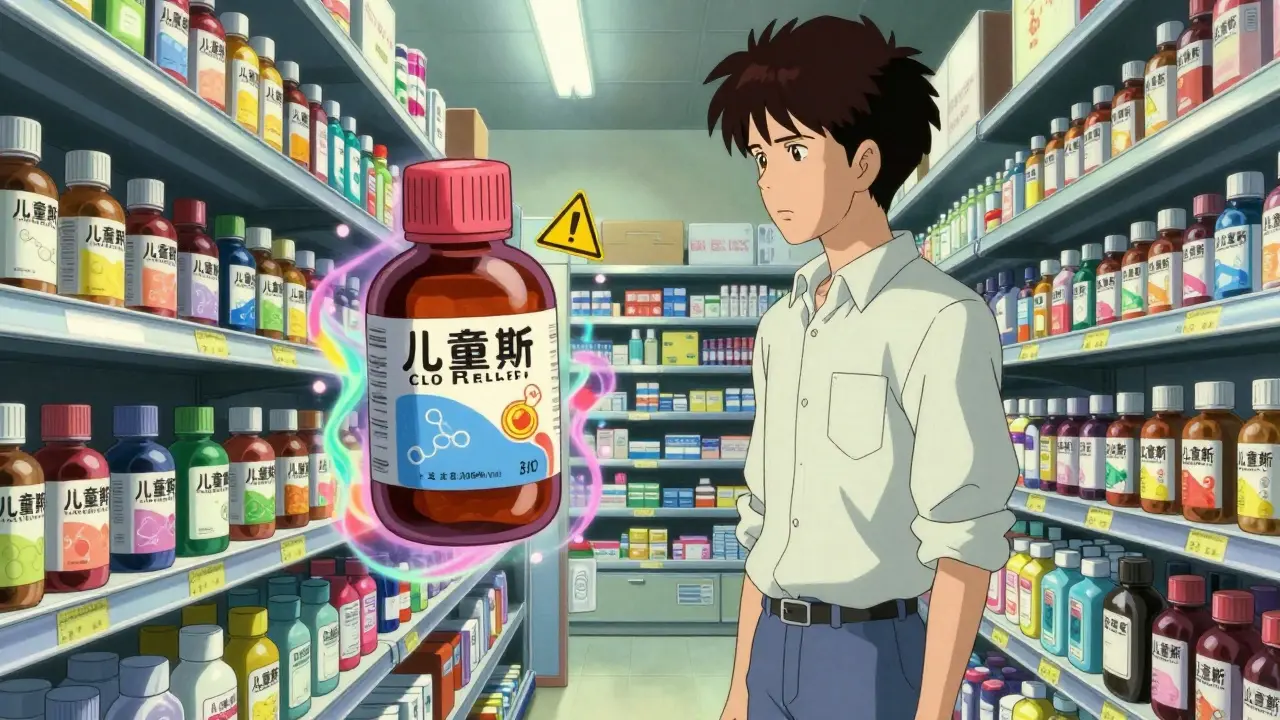
It feels like every winter, the same cycle repeats: your toddler wakes up with a rattling cough, a runny nose, and a fever. The instinct to rush to the pharmacy for a "children's" syrup is strong because you just want them to sleep and feel better. But here is the hard truth: for kids under six, most of those store-bought cough and cold medicines don't actually work, and they can be dangerous. In fact, the FDA is the federal agency responsible for protecting public health by ensuring the safety and efficacy of medications, and they've warned that these products can cause serious, sometimes life-threatening side effects in very young children.
The core problem is that a child's body isn't just a smaller version of an adult's. Their organs, specifically the liver and kidneys, handle chemicals differently. If you're wondering whether that "Kids' Cold Relief" bottle is safe, the answer for most children under six is a firm no. Instead of masking symptoms with risky chemicals, the goal is to manage the discomfort safely using methods that actually align with how a child's body functions.
Why OTC Meds Are Risky for Young Kids
When you look at the back of a cough syrup bottle, you'll see a cocktail of ingredients. You might see Dextromethorphan, which is a cough suppressant, or Pseudoephedrine, a decongestant. In adults, these are fine. In a three-year-old, they are a gamble. The American Academy of Pediatrics, a leading professional organization for pediatric health, has stated since 2008 that these medications aren't indicated for children under four.
The science comes down to metabolic pathways. For example, children under two only have about 23% of the adult enzyme activity (specifically the cytochrome P450 enzyme) needed to break down dextromethorphan. When the body can't process the drug, it builds up, leading to toxicity. This can manifest as erratic behavior, hallucinations, or even seizures. It's not just about "too much medicine"; it's about a body that isn't equipped to handle the chemistry.
Then there is the dosing disaster. Many parents rely on kitchen spoons, but a study in Academic Emergency Medicine found that over 32% of medication errors happened because of this. A "teaspoon" from the drawer varies wildly in size, making it incredibly easy to accidentally overdose a child, especially with combination drugs that contain multiple active ingredients.
Common Ingredients and Their Effects
To understand the risks, it helps to know what is actually in these bottles. Most OTC cold products are "multi-symptom," meaning they mix several different drugs into one liquid. This increases the chance of a side effect and makes it easier to double-dose if you give two different products that both contain the same active ingredient.
| Ingredient Type | Example | Intended Use | Pediatric Risk |
|---|---|---|---|
| Antihistamines | Chlorpheniramine | Runny nose/Sneeze | Extreme drowsiness or paradoxically hyperactive behavior |
| Decongestants | Phenylephrine | Stuffy nose | Increased heart rate and high blood pressure |
| Suppressants | Dextromethorphan | Dry cough | Respiratory depression and toxicity in infants |
| Expectorants | Guaifenesin | Thinning mucus | Generally ineffective for children under 6 |
Safe Alternatives Based on Age
Since the pharmacy shelf is mostly a no-go, how do you actually help a sick child? The strategy changes as the child grows. The key is to move from "treating the cough" to "supporting the body."
Infants (Under 6 Months)
At this age, your options are very limited. Do not give any OTC cold meds. Instead, use Saline Nasal Drops. These are just salt water; they loosen the mucus in the nose, which you can then clear out using a bulb syringe. A cool-mist humidifier is also a lifesaver here. Avoid warm-mist humidifiers, as they can actually cause nasal swelling or lead to accidental burns.
Toddlers (6 Months to 2 Years)
If your child has a fever or aches, Acetaminophen (Tylenol) is generally safe, provided they are older than two months. The rule of thumb is 10-15 mg per kg of body weight every 4-6 hours. Never exceed five doses in 24 hours. Be extremely careful here: check every other medicine you give them to ensure it doesn't also contain acetaminophen, as this can lead to severe liver toxicity.
Preschoolers (2 to 6 Years)
Once a child hits one year of age, Honey becomes a powerful tool. The American College of Chest Physicians actually suggests honey as a first-line treatment for coughs in children over one. Give a half to one teaspoon to help thin secretions and soothe the throat. Just remember: never give honey to a baby under 12 months due to the risk of infant botulism.
The Red Flags: When to Stop Home Care
While a cold is usually just a waiting game, some symptoms mean you need to stop the home remedies and call the pediatrician immediately. You aren't just looking for a "bad cough," but for signs that the child is struggling to breathe.
- Retractions: When the skin pulls in around the ribs or neck during a breath.
- Stridor: A high-pitched whistling sound when they breathe in.
- Wheezing: A whistling sound when they breathe out.
- Lethargy: If they are too tired to drink fluids or are unusually difficult to wake.
- High Fever: A fever that doesn't come down with acetaminophen or occurs in an infant under 3 months.
Avoiding Common Parent Pitfalls
It's easy to make a mistake when you're exhausted and your child is crying. One of the most dangerous trends is using adult medications. Some parents, desperate for a solution, give a tiny bit of an adult cough syrup. This is a huge risk because adult formulations have much higher concentrations of drugs and often include alcohol or other additives that are toxic to children.
Another mistake is the "combination trap." You might give a multi-symptom cold liquid and then a separate fever reducer. If both contain acetaminophen, you are effectively doubling the dose, which puts immense pressure on the child's liver. Always read the active ingredients list, not just the brand name on the front.
Finally, resist the urge to use oxymetazoline nasal sprays in children under six. These can cause a "rebound effect," where the nose becomes even more congested once the medicine wears off, leading to a cycle of dependency and increased inflammation.
Why can't I just give a small dose of adult cold medicine?
Adult medications are formulated for a significantly larger body mass and a fully developed metabolic system. They contain concentrations of active ingredients that can easily overdose a child. Additionally, many adult products include ingredients like alcohol or caffeine that are unsafe for pediatric use.
Is honey really better than cough syrup?
For children over one year old, yes. Clinical evidence suggests honey is more effective at reducing cough frequency and severity than many OTC suppressants, which often show no benefit over a placebo in pediatric trials. Honey coats the throat and helps loosen mucus without the risk of systemic side effects.
What is the safest way to measure liquid medicine?
Never use a kitchen spoon. Always use the calibrated measuring device (oral syringe or dosing cup) that comes with the specific medication. If you've lost it, ask your pharmacist for a new one. This ensures the dose is exact and prevents the 32.5% error rate associated with household spoons.
Can I use a humidifier for my baby?
Yes, but specifically a cool-mist humidifier. Warm-mist versions carry a risk of burns if the machine is tipped and can sometimes cause increased nasal swelling. Cool-mist adds moisture to the air, which helps keep nasal passages open and thins mucus.
When should I see a doctor for a cold?
See a doctor if your child has a fever that won't break, shows signs of respiratory distress (like rib pulling), has a cough that lasts more than two weeks, or is unable to stay hydrated. If an infant under 3 months has any fever, seek medical attention immediately.