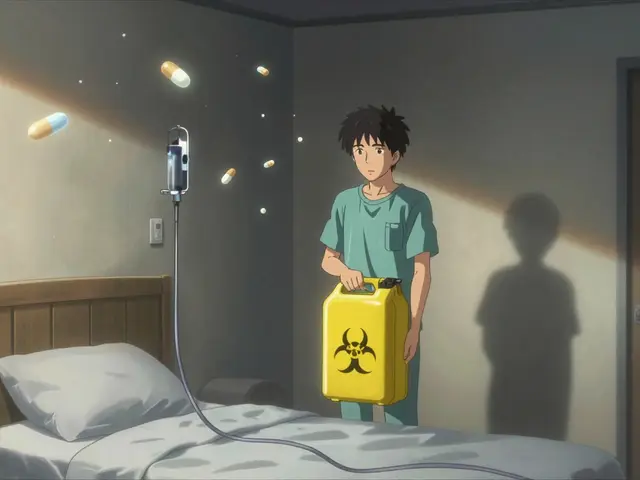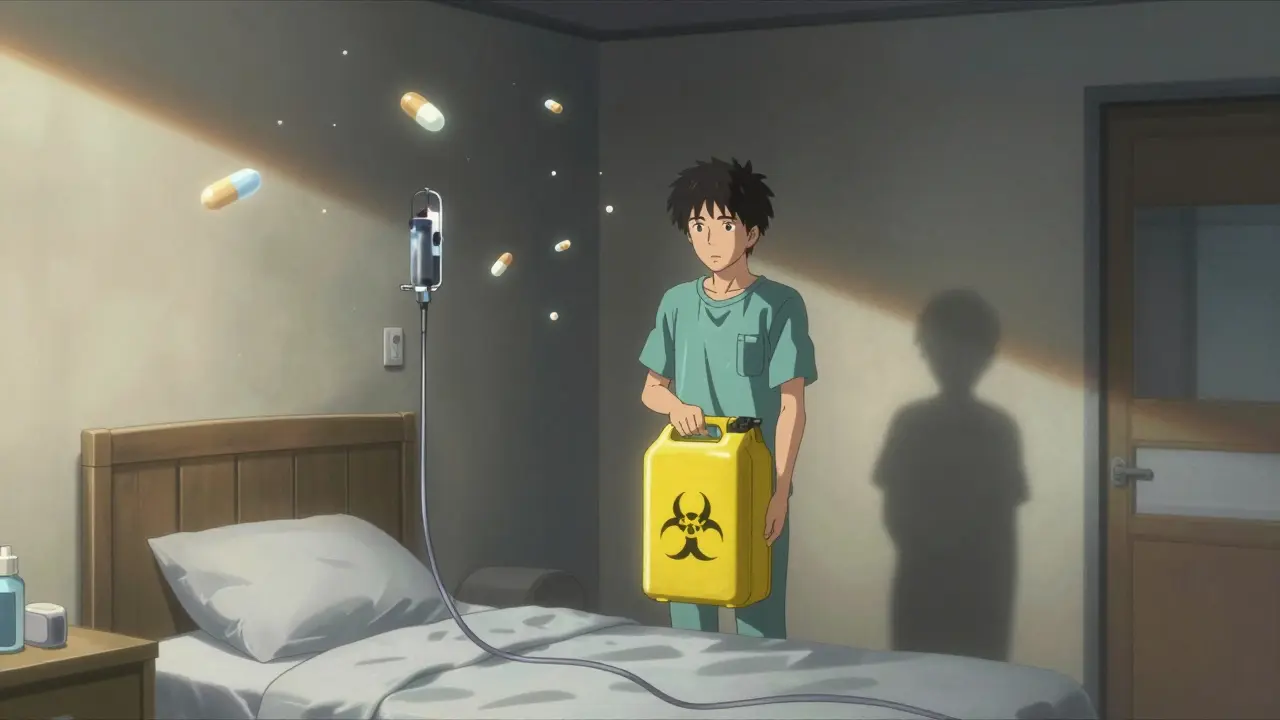
Chemotherapy drugs are powerful. They kill cancer cells by attacking DNA, but that same power makes them dangerous if they end up in the wrong place. Unlike leftover antibiotics or painkillers, you cannot simply toss chemotherapy meds into the trash or flush them down the toilet. These agents remain active and hazardous for days after treatment, posing serious risks to your family, pets, waste handlers, and the environment.
If you are managing chemotherapy at home, knowing how to dispose of these medications correctly is not just a suggestion-it is a critical safety requirement. This guide breaks down exactly what to do, based on the latest standards from organizations like the American Cancer Society and the Cancer Institute of New Jersey (CINJ).
Why can't I just throw chemo pills in the regular trash?
Chemotherapy agents are genotoxic, meaning they can damage DNA even at low levels. If a pill leaks out of its packaging in a landfill or garbage truck, it can expose sanitation workers and potentially contaminate soil and water supplies. Standard trash bags are not designed to contain these hazardous chemicals safely.
Understanding the Risks of Home Chemo Waste
The shift toward outpatient and home-based cancer treatment has grown rapidly. In fact, home-based cancer treatments increased by 37% between 2019 and 2022. While this offers patients more comfort and flexibility, it also moves hazardous materials into residential settings where standard household safety measures don't apply.
The core danger lies in the persistence of these drugs. According to the American Cancer Society, active chemotherapy compounds can remain in your bodily fluids-urine, feces, vomit, sweat, and saliva-for up to 72 hours after administration. This means that everything you touch, wear, and use during this window becomes potential hazardous waste.
Improper disposal leads to three major problems:
- Human Exposure: Family members, especially children and pregnant women, could be exposed to residues on surfaces or in waste.
- Environmental Contamination: Flushing or improper dumping introduces these drugs into waterways. EPA testing found cyclophosphamide, a common chemo drug, in 67% of U.S. waterways.
- Diversion: Potent medications left accessible could be misused by others.
Dr. Jane Smith from MD Anderson Cancer Center notes that chemotherapy agents require 100-fold more stringent handling than conventional medications due to their genotoxic properties. Understanding this severity is the first step in protecting your household.
Essential Safety Gear and Materials
Before you handle any medication or waste, you need the right equipment. The Cancer Institute of New Jersey’s 2022 guidelines specify exact requirements to minimize exposure risk.
You will need:
- Nitrile Gloves: Use disposable gloves with a thickness of 0.07-0.15mm (often labeled as 6 mil or thicker). Latex gloves are not recommended as some chemo agents can penetrate them.
- Leak-Proof Bags: You need plastic bags with a minimum thickness of 1.5 mil. These should meet ASTM D1735 standards for durability.
- Yellow Hazardous Waste Containers: Many healthcare providers supply these specifically for solid contaminated waste. If not, ask your oncology team.
- Dedicated Cleaning Supplies: Keep cloths, paper towels, and disinfectants separate from household cleaning items. Never reuse these materials.
Healthcare providers typically supply initial disposal materials, but replacement costs average around $15.75 per month. Do not skimp on these supplies-they are your primary barrier against exposure.
Step-by-Step Disposal Process
Proper disposal isn’t about one action; it’s a process. The goal is double containment to prevent any leakage.
- Wear Protection: Put on your nitrile gloves before touching any medication, packaging, or contaminated items.
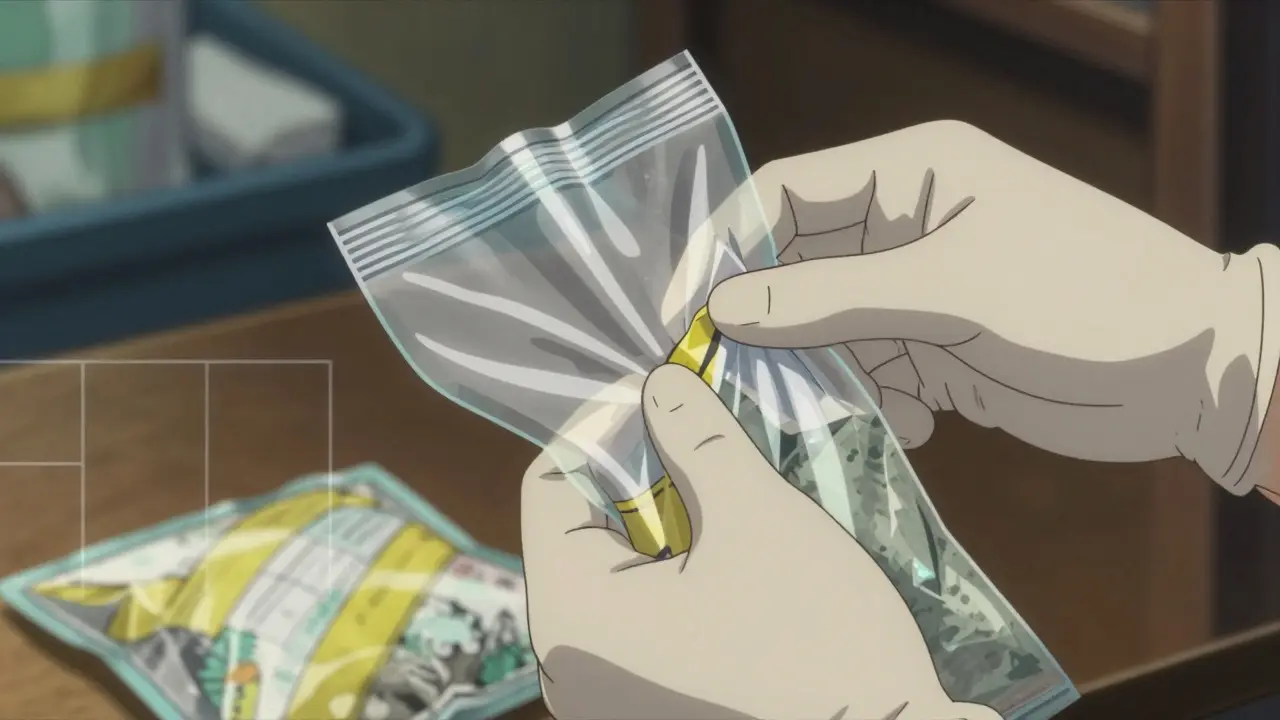
- Prepare the Inner Bag: Take a leak-proof plastic bag. Place all contaminated materials inside. This includes empty pill bottles, IV tubing, syringes, gauze, and the gloves you used during administration.
- Seal Tightly: Close the inner bag securely. Use a zip-tie or heat-sealing method if available. Do not just twist and knot; these seals can loosen.
- Double-Bag: Place the sealed inner bag into a second identical leak-proof bag. Seal this outer bag tightly as well.
- Label Clearly: Mark the outer bag as "Hazardous Pharmaceutical Waste" so anyone handling it knows the contents.
- Store Safely: Keep the double-bagged waste in a secure, locked container away from children and pets until you can dispose of it properly.
Mayo Clinic pharmacist Troy Taylor notes that proper double-bagging reduces exposure risk by 92% compared to single-bag methods. This extra step is crucial.
Handling Specific Types of Chemo Waste
Different forms of chemotherapy require slightly different handling techniques. Here is how to manage each type:
| Medication Form | Specific Handling Instructions | Key Prohibition |
|---|---|---|
| Oral Pills/Capsules | Keep in original container. Do not crush. Place container directly into the inner bag. | Never crush or dissolve pills. |
| Liquid Medications | Absorb liquid with inert material (like cat litter or paper towels) before placing in the inner bag. | Do not pour liquids down drains. |
| Transdermal Patches | Fold the patch in half with adhesive sides together to seal the drug inside. Then bag it. | Do not leave patches exposed. |
| IV Components | Place needles/syringes in a sharps container first, then place the entire sharps container in the double-bagged system. | Never recycle sharps containers. |
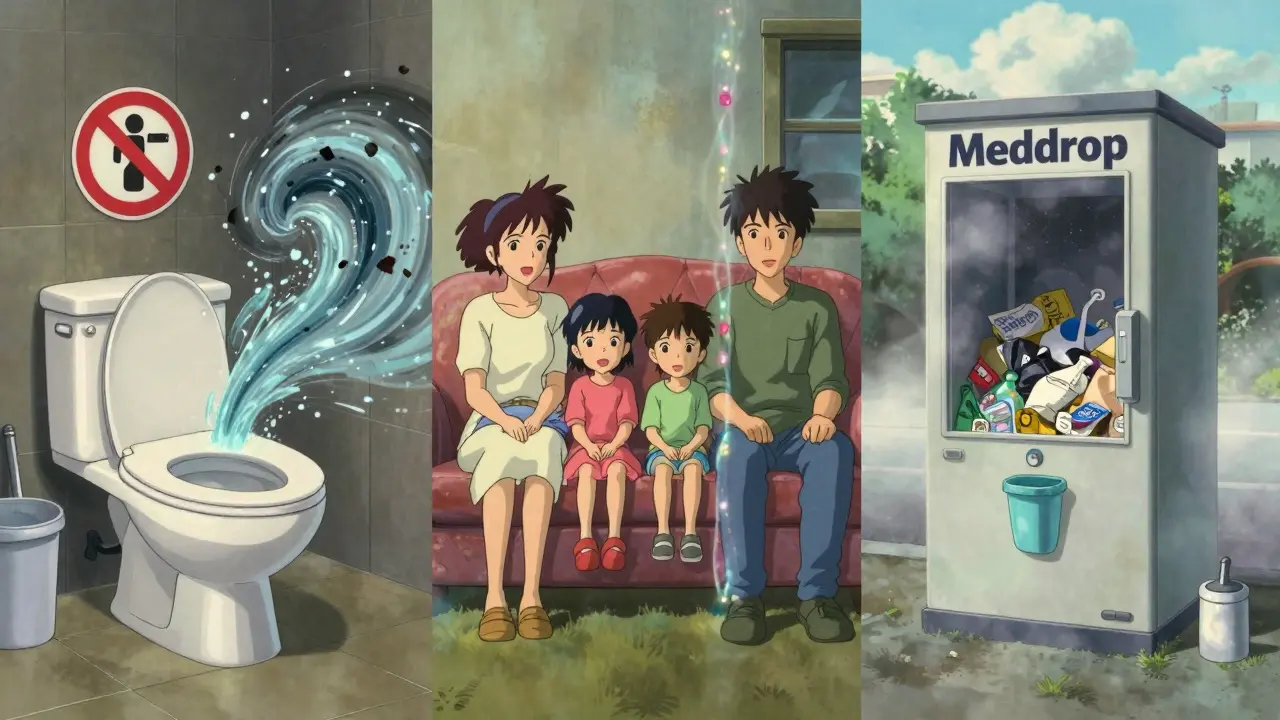
Note that the FDA explicitly states that no chemotherapy medications should ever be flushed, even if they appear on general flush lists for other drugs like opioids. Flushing is strictly prohibited for chemo agents.
Cleaning Up Spills and Bodily Fluids
Accidents happen. If you spill chemotherapy medication or encounter bodily fluids within 48-72 hours of treatment, follow this strict protocol:
- Protect Yourself: Wear gloves, a gown, a face shield, and a mask. Full personal protective equipment (PPE) is non-negotiable here.
- Contain the Area: Prevent others from entering the room. Ventilate the area if possible.
- Absorb the Spill: Use dedicated disposable cloths or paper towels to soak up the liquid. Do not rub; blot gently.
- Dispose of Cleanup Materials: Place all used cloths, gloves, and PPE into the double-bag system described earlier.
- Clean the Surface: Wash the area with soap and water, then disinfect. Change gloves between steps.
For bodily fluids, remember that precautions last for 3-7 days post-treatment. Flush toilets twice with the lid down to reduce aerosolization. Wash clothes separately from other laundry using hot water and detergent.
Where to Dispose of Double-Bagged Waste
Once your waste is double-bagged, you need a safe destination. Your options vary by location and provider:
- Hospital/Oncology Clinic Drop-Off: Many centers accept hazardous waste from patients. Ask your care team if they have a designated drop-off box.
- Specialized Mail-Back Programs: Some pharmacies offer mail-back envelopes specifically for chemotherapy waste. However, only 28% of U.S. pharmacies currently offer this service.
- MedDrop Kiosks: Operated by Stericycle, these kiosks accept certain chemotherapy medications. Check their website to see if your specific drug is accepted, as about 63% of cancer drugs are eligible.
- Community Take-Back Events: Be cautious. Only 12% of DEA-regulated take-back events accept chemotherapy waste due to handling concerns. Always call ahead to confirm.
Never use standard community drug take-back bins unless explicitly told they accept hazardous pharmaceuticals. The Deterra® Drug Deactivation System, for example, is certified for conventional meds but explicitly states it is not approved for hazardous chemotherapy agents.
Frequently Asked Questions
How long do I need to keep precautions after chemo?
You must maintain strict hygiene and disposal protocols for 48 to 72 hours after treatment. During this time, active drugs are present in your urine, stool, sweat, and vomit. Some sources suggest extending this to 7 days for maximum safety, especially when handling laundry or bathroom surfaces.
Can I put chemo waste in my regular recycling bin?
No. Chemotherapy waste is hazardous and cannot go into recycling or regular trash. It requires specialized handling to prevent environmental contamination and human exposure. Always use the double-bag method and deliver it to an authorized collection point.
What if I don't have yellow hazardous waste containers?
Contact your oncology provider immediately. Most clinics supply these containers or equivalent heavy-duty plastic bags. If you are between appointments, use thick, leak-proof plastic bags (minimum 1.5 mil) and double-bag everything. Do not delay disposal; store it securely until you can reach a drop-off site.
Is it safe for pregnant women to help with chemo disposal?
It is strongly advised against. Chemotherapy agents are teratogenic, meaning they can cause birth defects. Pregnant women should avoid handling any chemotherapy medications, waste, or cleaning up spills. Delegate these tasks to non-pregnant adults who are trained in proper safety protocols.
Do all pharmacies accept chemo waste?
No. While 92% of U.S. pharmacies participate in conventional drug take-back programs, only 34% accept chemotherapy waste. Always call ahead to verify if a pharmacy or kiosk accepts hazardous pharmaceuticals. Never assume standard take-back bins are suitable for chemo drugs.