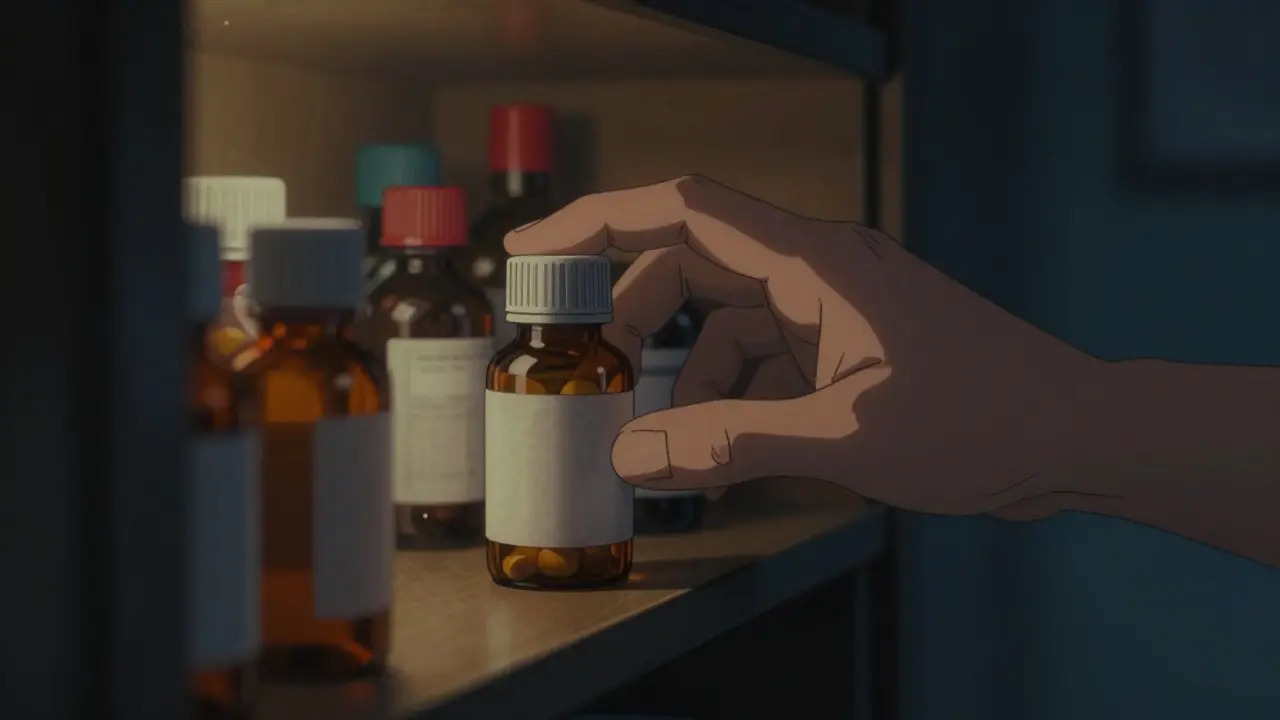
Imagine reaching into your first-aid cabinet during an emergency, only to find that your vital pain reliever or heart medication has passed its printed date. You aren't alone in this worry. A recent survey highlights that nearly 70% of homes keep at least one expired item in their kits, creating a hidden safety hazard when seconds matter most.
We often think of expiration dates as absolute deadlines after which pills turn poisonous. In reality, the chemistry is more nuanced than that. Most solid over-the-counter medications don't suddenly become toxic after midnight on the expiry day; instead, they slowly lose the power to do the job you hired them for. Knowing the difference between a "safe to wait" scenario and a "dangerous failure" risk is how you decide what to toss and what to keep.
The Science Behind Expiration Dates
To understand when to replace your supplies, you first need to know what that little date actually means. An expiration date indicates the last day the manufacturer guarantees full strength and purity under specific storage conditions. It isn't a cliff where the medicine becomes dangerous overnight.
Regulatory bodies like the U.S. Food and Drug Administration (FDA) enforce these labels to ensure safety standards. However, stability testing shows that many drugs stay potent well beyond that mark if stored correctly. For example, large-scale studies have revealed that about 90% of tested tablets retained their full effectiveness even years past the printed date. That doesn't mean you should ignore the label, but it helps explain why a two-year-old bottle of ibuprofen might still work fine for a headache.
However, this rule does not apply to everything. The chemical structure of a liquid medication degrades much faster than a compressed tablet. Moisture penetrates liquids easily, allowing bacteria to grow or the active ingredient to break down chemically. This distinction is crucial because it dictates which items in your kit need immediate replacement and which can slide through a few extra months.
Critical Medications That Must Be Replaced Immediately
There are specific categories of medicines where a loss of potency can cost you your life. These are the items you never compromise on. If the date has passed, the medication must go.
| Medication Type | Risk Factor | Replacement Rule |
|---|---|---|
| Epinephrine Auto-Injectors (EpiPen) | Potency drops significantly | Replace exactly on date |
| Nitroglycerine Tablets | Gas permeation oxidation | Replace every 3-6 months if opened |
| Liquid Antibiotics | Bacterial contamination risk | Toss immediately upon expiry |
| Eye and Ear Drops | Sterility compromised | Do not use past date |
Epinephrine (adrenaline) is the most critical emergency drug for severe allergic reactions. Studies indicate that auto-injectors can lose up to 30% of their strength within six months of expiring. Using a sub-potent pen during anaphylaxis might not stop the reaction, leading to a fatal outcome. The consensus among experts is clear: set a calendar reminder 30 days before the date so you are never caught without fresh stock.
Nitroglycerine works by releasing a gas that relaxes blood vessels. Because of this unique mechanism, the tablets lose stability very quickly once the bottle is open. Even in unopened bottles, the potency fades. Experts recommend discarding these every three to six months regardless of the printed date if you have opened the container.
Any medication involving liquids, such as antibiotic suspensions or eye drops, is also off-limits once expired. Water allows bacteria to thrive. A degraded topical ointment or cream can introduce infection rather than healing it. One analysis found that nearly half of expired hydrocortisone creams showed signs of bacterial growth just six months past the limit.
Solid Pills: What the Research Says About Pain Relievers
If you run low on cash and face an emergency where you only have expired painkillers, the situation changes compared to the high-risk meds above. Common analgesics like acetaminophen and ibuprofen are remarkably stable. Research conducted by shelf-life extension programs demonstrated that properly stored tablets often retain 90% to 95% of their original potency for up to fifteen years past expiration.
This doesn't give you license to keep them forever, but it offers perspective if you grab a bottle from the back of the drawer. If the bottle is dry, cool, and sealed, taking an old aspirin for a minor injury is unlikely to hurt you. The worst-case scenario is that it simply doesn't kill the pain as effectively as a fresh batch would.
However, you still face the risk of degradation due to environmental factors. While the FDA considers solid analgesics lower risk for short-term temporary use, relying on them for chronic issues or serious emergencies is unsafe. Always prioritize getting fresh stock, but know that a couple of months of overlap isn't likely to result in toxicity.
How Storage Conditions Drastically Change Timelines
Your environment impacts expiration more than you might realize. Manufacturers test expiration dates assuming ideal storage-usually around 25°C (77°F) and low humidity. But how often is your bathroom cabinet cool and dry?
In places like Dunedin or humid climates globally, bathrooms become hot, steamy environments when we shower. Storing medicines there exposes them to temperature swings and moisture. Studies show that drugs kept in bathroom cabinets degrade 40% faster than those kept in a bedroom drawer or closet. The humidity alone breaks down the binding agents in pills, causing them to crumble or lose concentration.
To maximize the life of your OTC first-aid medications:
- Avoid Heat Sources: Don't store near windows, radiators, or car glove boxes where heat builds up.
- Keep Containers Sealed: Leave medications in their original bottles. Transferring pills to weekly organizers removes the protective desiccant packets that absorb moisture.
- Watch for Physical Changes: If a pill looks discolored, smells strange, or feels powdery, discard it regardless of the date.
Proper storage can extend the safe window significantly, while poor storage can make a brand new bottle useless within months.
Establishing a Review Routine for Your Home Kit
You won't accidentally take expired meds if you check regularly. The American Red Cross suggests a systematic approach to managing inventory. Rather than guessing, set a recurring schedule.
- Quarterly Visual Inspect: Every three months, glance over the contents to spot obvious physical damage like cracked bottles or faded labels.
- Biannual Date Check: Every six months, specifically verify the printed expiration codes on all bottles.
- The Critical Buffer: Set reminders for high-risk items like EpiPens 30 days early to order replacements.
- Annual Overhaul: Once a year, remove the entire kit. Toss anything older than necessary, reorganize, and restock essentials like sterile gauze which also expire over time.
This process ensures that when an accident happens, you don't waste precious seconds debating whether to use a 6-month-old bandage. Sterile supplies like gauze lose sterility over time due to packaging leaks, sometimes becoming a vector for infection themselves if left too long on the shelf.
Safe Disposal of Unused Medications
Once you've decided an item must go, don't just flush it down the toilet. Flushing wastes chemicals into the water supply and encourages misuse by others who might retrieve it from a trash bin. Instead, look for local take-back programs.
Many pharmacies and community centers host collection drives. In 2023 alone, national take-back events collected over a million pounds of discarded pharmaceuticals. If you cannot find a program, mix the pills with unpalatable substances like coffee grounds or cat litter, place them in a sealed bag, and throw them in the regular household trash. This makes the medication unrecognizable and unusable.
Are expired painkillers dangerous to take?
Generally, no. Most solid pain relievers like ibuprofen do not become toxic after expiration. They simply lose effectiveness, meaning they may not relieve pain as intended.
How long do EpiPens last after the expiration date?
You should not rely on an EpiPen after the expiration date. Potency loss can occur significantly within months, making it ineffective for treating life-threatening allergic reactions.
What is the best way to store first-aid meds?
Store medications in a cool, dry place away from direct sunlight and humidity. Avoid bathrooms or kitchens where temperatures fluctuate frequently.
Can I use expired antibiotic creams?
It is risky. Expired creams can harbor bacteria and cause infections rather than healing wounds. Always discard expired topical antibiotics.
Why do nitroglycerine tablets expire so fast?
Nitroglycerine is a volatile gas in solid form. Exposure to air, light, and temperature causes rapid oxidation, rendering the tablet useless within months of opening.